Black Autoimmune Disease Hub
We fight together
Black Autoimmune Hub
Autoimmune Diseases in the Black Community
Autoimmune diseases occur when the immune system attacks the body’s own tissues. Millions of people live with autoimmune conditions, and many Black patients experience delayed diagnosis, misdiagnosis, and limited access to specialists.
This hub provides information and resources for autoimmune conditions that affect many people in our community.
You are not alone. Help and support are available.
Shared Challenges in the Black Community
Many Black patients with autoimmune disease experience:
• Delayed diagnosis
• Symptoms being dismissed
• Lack of specialist access
• Insurance barriers
• Health inequities
These challenges are real and documented.
You deserve to be heard and treated.
This information is for educational purposes only and is meant to treat, diagnosis, or replace your visit to a licensed healthcare provider.

What is an autoimmune disease

What is an Autoimmune Disease?
Autoimmune diseases happen when the immune system mistakenly attacks healthy cells.
Common symptoms include:
• Fatigue
• Muscle weakness
• Joint pain
• Brain fog
• Vision problems
• Skin changes
• Inflammation
• Difficulty swallowing or breathing
Many autoimmune diseases share similar symptoms, which can make diagnosis difficult.
The Myasthenia Gravis community helped inspire this hub.
Lupus

Systemic Lupus Erythematosus is one of the most common autoimmune diseases affecting Black women.
Black women are 2–3 times more likely to develop lupus than White women according to the Lupus Foundation of America.
Common Symptoms
• Extreme fatigue
• Joint pain
• Butterfly rash on face
• Kidney problems
• Hair loss
• Fever
Why It Matters
Black patients often develop lupus:
• At younger ages
• With more severe disease
• With higher complication rates
Learn More
- Ask about ANA blood testing
- Track symptoms
- Seek rheumatology care early
Follow @lupusincolor and @lupusorg on Instagram
Rheumatoid Arthritis (RA)
Rheumatoid Arthritis causes inflammation and joint damage.
It can affect:
• Hands
• Wrists
• Knees
• Feet
Common Symptoms
• Morning stiffness
• Joint swelling
• Fatigue
• Weakness
Early Treatment Matters
Early treatment can prevent permanent joint damage.
Treatment may include:
• Anti-inflammatory medications
• Biologics
• Physical therapy
Thyroid Autoimmune Diseases

Thyroid Autoimmune Disease
Autoimmune thyroid diseases include:
• Hashimoto’s Thyroiditis
• Graves’ Disease
These conditions affect metabolism and energy levels.
Common Symptoms
• Fatigue
• Weight changes
• Hair loss
• Depression
• Anxiety
• Temperature sensitivity
Important Facts
Thyroid disease is common and often overlooked.
Simple blood tests can help diagnose thyroid disorders.
Labs to Ask About
✔ TSH
✔ Free T4
✔ Free T3
✔ TPO Antibodies
✔ Thyroglobulin Antibodies
✔ TSI (if hyperthyroid symptoms)
Follow: @aipbipoc on Instagram
Sjögren’s Syndrome
Sjögren’s Syndrome affects moisture-producing glands.
Common Symptoms
• Dry eyes
• Dry mouth
• Fatigue
• Joint pain
• Difficulty swallowing
Some patients also experience:
• Neuropathy
• Lung involvement
• Kidney involvement
Important Facts
Many people live with Sjögren’s for years before diagnosis.
Symptoms are often mistaken for aging or medication side effects.
Labs to Ask About
✔ ANA
✔ Anti-SSA (Ro)
✔ Anti-SSB (La)
✔ Rheumatoid Factor
✔ ESR
✔ CRP
✔ CBC
Multiple Sclerosis (MS)
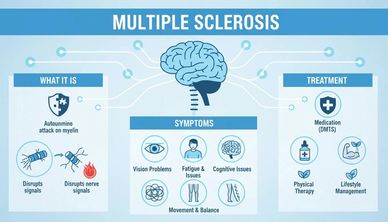
Multiple Sclerosis affects the brain and spinal cord.
Research shows Black patients often experience more aggressive disease progression.
Common Symptoms
• Vision problems
• Numbness
• Weakness
• Balance problems
• Fatigue
Important Facts
MS is often overlooked in Black patients because of outdated assumptions about who develops MS.
MS requires showing “dissemination in space and time.”
That means:
• Damage in different locations in the CNS
• Damage occurring at different times
MRI helps prove both.
To diagnose MS, doctors typically use:
✔ Neurological exam
✔ MRI of brain and spine
✔ Lumbar puncture (if needed)
✔ Evoked potential tests
✔ Blood tests to rule out other diseases
Follow: @weareillmatic and @mssociety on Instagram
Stiff Person Syndrome
Stiff Person Syndrome
Stiff Person Syndrome

Stiff Person Syndrome is a rare autoimmune neurological condition.
Common Symptoms
• Muscle stiffness
• Muscle spasms
• Balance problems
• Sensitivity to noise or stress
Important Facts
Because it is rare, diagnosis can take years.
Specialists such as neurologists are usually needed.
Diagnosing Stiff Person Syndrome (SPS) requires a combination of clinical evaluation, antibody testing, and specialized nerve studies.
There is no single test alone that confirms SPS. Diagnosis is based on symptoms + lab + electrical testing findings.
Why Diagnosis Is Often Delayed
• It is rare
• Symptoms may mimic anxiety disorders
• Early labs may be inconclusive
• Many clinicians have never seen a case
Quick Summary — Testing for SPS
If SPS is suspected, testing from your healthcare provider may include:
✔ Anti-GAD65 antibodies
✔ Amphiphysin antibodies
✔ EMG
✔ MRI brain & spine
✔ Lumbar puncture (if needed)
✔ Cancer screening (if indicated)